
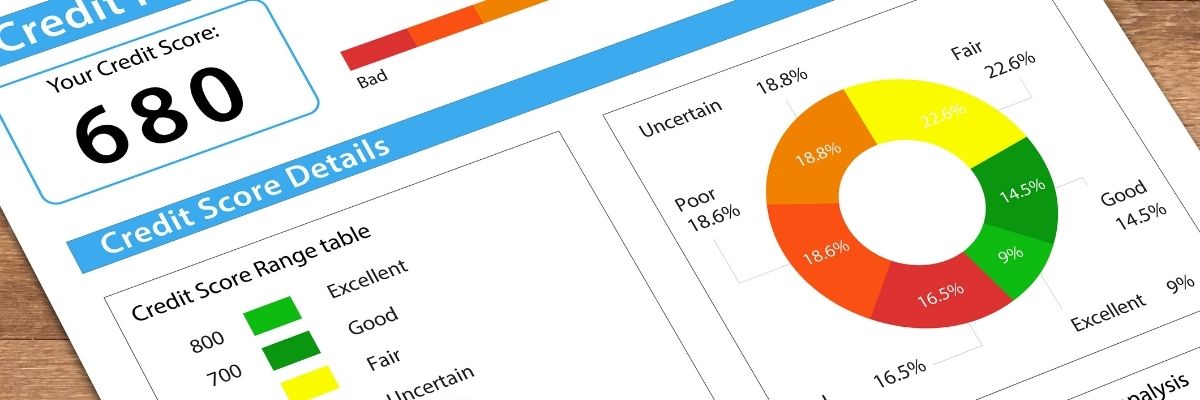
Your credit score is a crucial factor in your financial life, impacting everything from loan approvals and interest rates to renting an apartment and even securing a job. A good credit score opens doors to better financial opportunities, while a poor score can limit your options and cost you money in the long run. Fortunately, improving your credit score is often achievable with consistent effort and a strategic approach.
This article provides a comprehensive guide to easy, actionable steps you can take to boost your credit score, empowering you to take control of your financial future.
Comprehensive Guide to Improving Your Credit Score
| Strategy | Description | Impact on Credit Score |
|---|---|---|
| Payment History | Consistently paying bills on time, every time. | High |
| Credit Utilization | Keeping your credit card balances low relative to your credit limits. Aim for under 30%, ideally under 10%. | High |
| Credit Mix | Having a mix of different types of credit, such as credit cards, installment loans (car, student, personal), and mortgages. | Moderate |
| Length of Credit History | The longer you’ve had credit accounts open and in good standing, the better. | Moderate |
| New Credit | Minimizing the number of new credit accounts you open in a short period. | Low |
| Become an Authorized User | Ask a trusted friend or family member with a long-standing, well-managed credit card to add you as an authorized user. | Variable (Potentially High) |
| Credit Builder Loans | Small loans specifically designed to help build credit. You make payments, and the lender reports your payment history to credit bureaus. | Moderate |
| Secured Credit Cards | Credit cards that require a cash deposit as collateral. Ideal for individuals with limited or poor credit history. | Moderate |
| Dispute Errors on Credit Reports | Regularly check your credit reports for errors and dispute any inaccuracies you find. | Variable (Potentially High) |
| Avoid Maxing Out Credit Cards | Maxing out credit cards significantly hurts your credit score. Keep balances low. | High |
| Don’t Close Old Credit Cards | Unless there’s a compelling reason (high annual fee), keeping old, unused credit cards open can help your credit utilization ratio. | Moderate |
| Consider a Balance Transfer | Transferring high-interest balances to a card with a lower interest rate can save you money and help you pay down debt faster. | Low to Moderate |
| Negotiate with Creditors | If you’re struggling to make payments, contact your creditors and try to negotiate a payment plan or lower interest rate. | Variable |
| Set Up Automatic Payments | Automating your bill payments ensures you never miss a due date. | High |
| Monitor Your Credit Regularly | Tracking your credit score and reports allows you to identify potential problems early and track your progress. | Low |
| Understand the Credit Scoring Models | Familiarize yourself with how credit scoring models like FICO and VantageScore work. | Low |
| Limit Credit Applications | Applying for too many credit accounts in a short period can lower your score. Be selective and strategic. | Low |
| Address Collections Accounts | Settling or paying off collections accounts can improve your credit score, although the impact may vary depending on the scoring model. | Moderate to High |
| Use Credit Monitoring Services | These services can alert you to changes in your credit report and potential fraud. | Low |
| Pay Off High-Interest Debt First | Prioritizing the repayment of high-interest debt can free up cash flow and improve your debt-to-income ratio. | Low to Moderate |
| Consider Debt Consolidation | Combining multiple debts into a single loan with a lower interest rate can simplify payments and potentially lower your overall debt burden. | Low to Moderate |
| Avoid Payday Loans and Title Loans | These loans often have extremely high interest rates and can trap you in a cycle of debt, negatively impacting your credit. | High (Negative) |
| Become a Responsible Co-Signer | Co-signing a loan for someone else makes you responsible for the debt if they default. This can negatively impact your credit score. | High (Negative) |
| Budgeting and Financial Planning | Creating a budget and managing your finances effectively can help you avoid overspending and ensure you can make timely payments. | Low |
Detailed Explanations
Payment History: This is the most significant factor in your credit score, typically accounting for around 35% of your FICO score. It reflects your ability to consistently pay your bills on time. Late payments, even by just a few days, can negatively impact your score.
Credit Utilization: This refers to the amount of credit you’re using compared to your total available credit. For example, if you have a credit card with a $1,000 limit and you’re carrying a balance of $300, your credit utilization is 30%. Aim to keep your credit utilization below 30%, and ideally below 10%, to demonstrate responsible credit management.
Credit Mix: Having a variety of credit accounts, such as credit cards, installment loans (car loans, student loans), and mortgages, can demonstrate to lenders that you can manage different types of credit responsibly. However, don’t open new accounts just to improve your credit mix. Focus on managing your existing accounts well.
Length of Credit History: The longer you’ve had credit accounts open and in good standing, the more positive impact it has on your credit score. This shows lenders that you have a proven track record of managing credit over time. Avoid closing old credit card accounts unless absolutely necessary, as this can shorten your credit history.
New Credit: Opening too many new credit accounts in a short period can lower your credit score. Each credit application triggers a hard inquiry on your credit report, which can slightly lower your score. Additionally, lenders may view you as a higher risk if you’re constantly seeking new credit.
Become an Authorized User: Becoming an authorized user on someone else’s credit card can help you build credit, especially if you have limited or poor credit history. The account’s payment history will be reported to your credit report, potentially improving your score if the account is well-managed. However, choose a cardholder who is responsible and makes timely payments.
Credit Builder Loans: These are small loans specifically designed to help individuals with limited or poor credit history build credit. You make regular payments, and the lender reports your payment history to the credit bureaus. Often, the loan proceeds are held in a savings account until the loan is paid off, at which point you receive the funds.
Secured Credit Cards: Secured credit cards require a cash deposit as collateral, making them easier to obtain for individuals with limited or poor credit history. You can use the card like a regular credit card, and your payment history is reported to the credit bureaus. After a period of responsible use, you may be able to upgrade to an unsecured credit card and get your deposit back.
Dispute Errors on Credit Reports: Regularly review your credit reports from all three major credit bureaus (Equifax, Experian, and TransUnion) for errors. This includes incorrect information such as late payments, incorrect account balances, or accounts that don’t belong to you. Dispute any inaccuracies you find with the credit bureau in writing, and they are required to investigate and correct the errors.
Avoid Maxing Out Credit Cards: Maxing out your credit cards can severely damage your credit score. It significantly increases your credit utilization ratio, which lenders view as a sign of financial distress. Keep your balances low and avoid exceeding 30% of your credit limit.
Don’t Close Old Credit Cards: Unless there’s a compelling reason, such as a high annual fee, avoid closing old credit card accounts. Closing a credit card reduces your overall available credit, which can increase your credit utilization ratio and negatively impact your score.
Consider a Balance Transfer: If you’re carrying high-interest balances on your credit cards, consider transferring them to a card with a lower interest rate. This can save you money on interest charges and help you pay down your debt faster. However, be aware of any balance transfer fees and make sure you can pay off the balance before the promotional rate expires.
Negotiate with Creditors: If you’re struggling to make payments, contact your creditors and try to negotiate a payment plan or lower interest rate. Many creditors are willing to work with you to avoid defaulting on your debt. This can help you avoid late fees and negative marks on your credit report.
Set Up Automatic Payments: Automating your bill payments ensures you never miss a due date. This is a simple way to maintain a positive payment history and avoid late fees. You can set up automatic payments through your bank or directly through the creditor’s website.
Monitor Your Credit Regularly: Regularly tracking your credit score and reports allows you to identify potential problems early and track your progress. You can use free credit monitoring services or purchase a credit monitoring subscription.
Understand the Credit Scoring Models: Familiarize yourself with how credit scoring models like FICO and VantageScore work. Understanding the factors that influence your credit score can help you make informed decisions about managing your credit.
Limit Credit Applications: Applying for too many credit accounts in a short period can lower your score. Be selective and strategic when applying for credit. Only apply for accounts that you truly need and are likely to be approved for.
Address Collections Accounts: Settling or paying off collections accounts can improve your credit score, although the impact may vary depending on the scoring model. Even if the account is old, paying it off can demonstrate to lenders that you’re taking responsibility for your debts.
Use Credit Monitoring Services: These services can alert you to changes in your credit report and potential fraud. This can help you identify and address any issues before they negatively impact your credit score.
Pay Off High-Interest Debt First: Prioritizing the repayment of high-interest debt can free up cash flow and improve your debt-to-income ratio. This can also save you money on interest charges in the long run.
Consider Debt Consolidation: Combining multiple debts into a single loan with a lower interest rate can simplify payments and potentially lower your overall debt burden. This can also improve your credit utilization ratio.
Avoid Payday Loans and Title Loans: These loans often have extremely high interest rates and can trap you in a cycle of debt, negatively impacting your credit. Avoid these types of loans if possible.
Become a Responsible Co-Signer: Co-signing a loan for someone else makes you responsible for the debt if they default. This can negatively impact your credit score. Only co-sign a loan for someone you trust and are confident will make their payments.
Budgeting and Financial Planning: Creating a budget and managing your finances effectively can help you avoid overspending and ensure you can make timely payments. This is a crucial step in building and maintaining a good credit score.
Frequently Asked Questions
How long does it take to improve my credit score?
The time it takes to improve your credit score varies depending on your current situation. Consistent effort and responsible credit management can lead to noticeable improvements in a few months, while significant improvements may take longer.
What is a good credit score?
Generally, a FICO score of 700 or higher is considered good, while a score of 750 or higher is considered excellent. Scores below 600 are considered poor.
How often should I check my credit report?
You should check your credit report at least once a year, or more frequently if you suspect fraud or identity theft. You can obtain a free copy of your credit report from each of the three major credit bureaus annually through AnnualCreditReport.com.
Will checking my own credit score hurt my credit score?
No, checking your own credit score is considered a "soft inquiry" and will not negatively impact your credit score.
What is the difference between a credit report and a credit score?
A credit report is a detailed record of your credit history, while a credit score is a numerical representation of your creditworthiness based on the information in your credit report.
Conclusion
Improving your credit score requires a consistent and proactive approach. By focusing on making timely payments, keeping credit utilization low, addressing errors on your credit report, and avoiding negative financial habits, you can gradually improve your credit score and unlock better financial opportunities. Remember that building good credit takes time, but the benefits are well worth the effort.