
The constant hum of modern life often feels like a relentless pursuit – more possessions, more commitments, more “stuff” to manage. We chase promotions, bigger homes, the latest gadgets, only to find ourselves feeling more overwhelmed, more stressed, and ironically, less free. What if the path to true freedom, to a life rich in meaning and joy, lies not in accumulating more, but in intentionally choosing less?
This is the heart of the minimalist lifestyle: a powerful philosophy that encourages us to declutter not just our physical spaces, but also our schedules, our minds, and our commitments. It’s about consciously removing the excess to make room for what truly matters, ultimately simplifying your life to unlock profound personal freedom, peace, and purpose.
What’s This Minimalism Thing All About, Anyway?
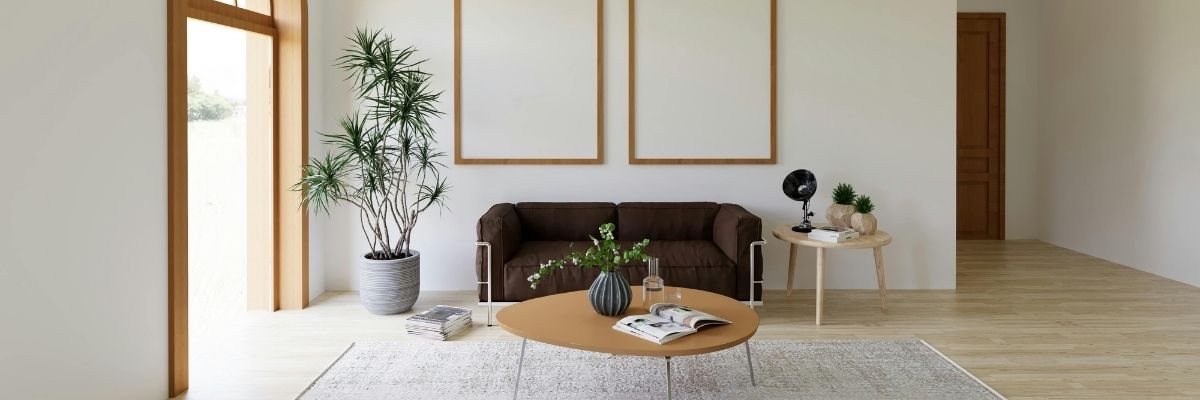
When you hear “minimalism,” your mind might immediately picture stark white rooms, empty shelves, or someone living out of a single backpack. While some minimalists do embrace extreme simplicity, that’s really just one interpretation. At its core, minimalism isn’t about deprivation or suffering; it’s a tool, a framework for intentional living. It’s about identifying what adds value to your life and courageously removing everything that doesn’t.
Think of it as a personal filter. Instead of passively accumulating, you actively decide what you allow into your life – whether that’s a new shirt, a social obligation, or even a digital subscription. This isn’t just about decluttering your closet once; it’s a mindset shift that impacts how you consume, how you spend your time, and how you define success. It’s about being deliberate, thoughtful, and prioritizing experiences and relationships over material possessions.
Why Bother? Unlocking Real Freedom and Joy
The benefits of embracing a minimalist lifestyle extend far beyond a tidy home. They touch every facet of your existence, offering tangible improvements that lead to a more fulfilling and genuinely free life.
- Mental Clarity and Reduced Stress: Imagine a mind less cluttered with worries about bills, maintenance, or keeping up with the latest trends. When your physical space is clear, your mental space often follows suit. Fewer possessions mean fewer decisions, less to organize, and less to worry about. This frees up significant mental energy, allowing you to focus on what truly matters, leading to a calmer, more focused mind.
- Financial Freedom: This is a huge one! A minimalist approach naturally leads to more mindful spending. When you’re less inclined to buy things you don’t need, you save money. This newfound financial breathing room can be transformative. It allows you to pay off debt, invest in experiences, save for big goals, or even work less, giving you incredible freedom and reducing financial anxiety.
- More Time and Energy: Every item you own demands a piece of your time and energy – buying it, cleaning it, repairing it, organizing it, moving it. By reducing your possessions, you dramatically reduce these demands. This means more time for hobbies, for loved ones, for personal growth, or simply for rest. You reclaim precious hours that were once spent managing “stuff.”
- Environmental Impact: Conscious consumption is a cornerstone of minimalism. By buying less and choosing higher-quality, more sustainable items, you reduce your environmental footprint. This alignment with personal values can bring a deep sense of satisfaction and purpose.
- Deeper Appreciation: When you have fewer things, you tend to appreciate what you do have more deeply. Each item in your home is there because it serves a purpose, brings you joy, or is genuinely useful. This fosters gratitude and moves you away from a constant yearning for “more.”
Ready to Start? Your First Steps Towards a Simpler Life
Diving into minimalism doesn’t require a radical overhaul overnight. It’s a journey, and the best way to start is often with small, manageable steps.
- Start Small, Start Visible: Don’t try to declutter your entire house in one weekend. Pick a single, high-impact area. Your bedside table, a single drawer, your bathroom counter, or even your wallet are great starting points. Seeing immediate results in a small space can be incredibly motivating.
- The “Why” Before the “What”: Before you touch a single item, take a moment to reflect on why you want to simplify. What kind of freedom are you seeking? More time? Less stress? Financial independence? Keeping your “why” front and center will fuel your motivation when the process gets tough.
- The Four-Box Method: This classic decluttering strategy is incredibly effective. Label four boxes:
- Keep: Items you genuinely use, love, or need.
- Donate/Sell: Items in good condition that someone else could use.
- Trash/Recycle: Items that are broken, worn out, or no longer usable.
- Relocate: Items that belong in another room (tackle these later).
Be honest with yourself about what goes into the “Keep” box.
- Embrace the One-In, One-Out Rule: Once you’ve started decluttering, adopt this simple rule to prevent re-accumulation. For every new item you bring into your home (a shirt, a book, a gadget), one similar item must leave. This keeps your inventory stable and forces conscious choices.
Beyond the Closet: Minimalism in Other Life Areas
Minimalism isn’t just about what’s in your dresser drawers. Its principles can be applied to almost every aspect of your life, leading to even greater freedom.
- Digital Decluttering: Our digital lives can be just as cluttered as our physical ones. Think about:
- Email Inbox: Unsubscribe from newsletters you don’t read. Delete old emails.
- Social Media: Unfollow accounts that don’t inspire or inform you. Limit your screen time.
- Apps and Files: Delete unused apps from your phone. Organize your computer files and clear out old downloads.
- Notifications: Turn off non-essential notifications to reclaim your focus.
- Financial Minimalism: Simplify your finances by:
- Automating Savings: Set up automatic transfers to savings or investment accounts.
- Reviewing Subscriptions: Cancel unused streaming services, gym memberships, or apps.
- Consolidating Debt: If possible, streamline your debt payments.
- Mindful Spending: Before buying, ask yourself: “Do I truly need this? Does it add significant value to my life?”
- Time and Schedule Minimalism: Our schedules can become overloaded.
- Learn to Say “No”: Protect your time by declining commitments that don’t align with your priorities.
- Prioritize Ruthlessly: Identify your most important tasks and focus on those. Let go of less important activities.
- Batch Similar Tasks: Group similar chores or errands together to improve efficiency.
- Schedule Downtime: Intentionally block out time for rest, relaxation, and hobbies.
- Relationship Minimalism: This doesn’t mean having fewer friends, but rather nurturing meaningful connections.
- Invest in Quality: Focus your energy on relationships that are supportive, reciprocal, and bring you joy.
- Distance Yourself from Toxic Relationships: Recognize and set boundaries with people who drain your energy or bring negativity.
- Be Present: When you are with loved ones, put away distractions and be fully engaged.
Battling the Buy-More Monster: Mindful Consumption
One of the biggest shifts in a minimalist lifestyle is moving from reactive consumption to mindful consumption. It’s about breaking free from the consumer cycle that constantly tells us we’re not enough without the latest product.
- Question Every Purchase: Before you buy something, pause. Ask yourself: “Do I already own something similar? Can I borrow it? Can I make it? Is this a need or a want? How long will this item truly serve me?”
- Prioritize Quality Over Quantity: Instead of buying five cheap t-shirts that will fall apart, invest in one high-quality, versatile t-shirt that will last years. This reduces waste and saves money in the long run.
- Embrace Experiences Over Things: Shift your budget and desire towards travel, classes, concerts, or shared meals with loved ones. Experiences create lasting memories and contribute to personal growth in ways material items rarely can.
- Shop with a List (and Stick to It!): Whether for groceries or other necessities, a list helps you avoid impulse purchases and stay focused on what you truly need.
- Secondhand First: Before buying new, check thrift stores, consignment shops, or online marketplaces. You can often find perfectly good items, save money, and reduce environmental impact.
The Emotional Side of Letting Go: It’s Okay to Feel
Decluttering isn’t always easy. Many items carry sentimental weight, memories, or represent aspirations we once had. It’s perfectly normal to feel a range of emotions – nostalgia, sadness, guilt, or even fear of letting go.
- Acknowledge and Process: Don’t suppress these feelings. Acknowledge them. Hold the item, reflect on its significance, and thank it for its role in your life before deciding its fate.
- Memory vs. Item: Realize that memories are stored in your mind and heart, not exclusively in physical objects. Taking a photo of a sentimental item before donating it can sometimes ease the transition.
- The “Just in Case” Trap: This is a common hurdle. We hold onto things “just in case” we might need them someday. For these items, consider the likelihood of actually needing them, and the cost (physical and mental space) of holding onto them versus the cost of replacing them if that rare need ever arises. Often, the space and peace of mind are more valuable.
- One Step at a Time: If an item is particularly difficult to part with, set it aside. Revisit it later when you feel more emotionally prepared. There’s no rush.
Making it Stick: Maintaining Your Minimalist Journey
Minimalism isn’t a one-time event; it’s an ongoing practice and a continuous journey. To truly embed it into your life and enjoy its lasting benefits, consistency is key.
- Regular Check-ins: Schedule periodic decluttering sessions – maybe once a season or twice a year. Use these times to re-evaluate your belongings and ensure everything still serves its purpose or brings you joy.
- Reflect and Adjust: As you change and grow, so too will your needs and priorities. Your minimalist journey should evolve with you. What worked last year might need tweaking now. Be flexible and willing to adapt.
- Find Your Community: Connect with others who are on a similar path. Online forums, social media groups, or local meetups can provide inspiration, support, and practical tips.
- Focus on the “Why”: Continuously remind yourself of the freedom, peace, and purpose that minimalism brings. When you feel tempted to accumulate, revisit your core motivations.
Frequently Asked Questions
- Do I have to get rid of everything I own? No, absolutely not. Minimalism is about intentionality, not deprivation; it’s about owning what you use and love, not living with nothing.
- Is minimalism only for young people or certain income levels? Minimalism is for anyone, regardless of age or income, who desires more freedom and purpose by simplifying their life.
- How do I deal with sentimental items? You can keep a few truly cherished items, digitize memories with photos, or create a memory box for select pieces.
- Can I still have hobbies and interests? Yes! Minimalism frees up time and resources to invest more deeply in your passions, rather than limiting them.
- What if my family isn’t on board? Start with your own personal space and lead by example; often, others will become curious and open to the idea over time.
Minimalism offers a powerful antidote to the overwhelm of modern life, inviting you to shed the unnecessary and embrace what truly enriches your existence. By intentionally simplifying, you’re not just decluttering your home; you’re actively crafting a life filled with more freedom, more purpose, and more genuine joy. Start small today, and watch your world transform.